
Category: Uncategorized
Test Post
The $2M-a-year biohacker won’t gamble on generic foams or pills. Instead, he turned to a DNA-driven approach now helping thousands of men and women reverse hair loss and restore confidence in as little as 3–6 months.
Hair Growth For Men : Unlock the Secret to Hair Growth Through Your DNA
Unlock the Secret to Hair Growth Through Your DNA
Your hair tells a story—one that’s written in your DNA. What if you could decode that story to unlock your best hair growth potential? Thanks to groundbreaking advancements in genetic science and beauty tech, achieving healthier, fuller hair is no longer a one-size-fits-all approach. Personalization is the future, and DNA-based hair growth solutions are leading the way.
This blog explores how your genetics impact hair health, the personalized solutions powered by this knowledge, and the incredible advantages they offer. We’ll also address common concerns like data privacy and look ahead at the trends shaping personalized hair care.
Understanding the Science Behind Hair Growth and DNA
Your hair’s destiny largely lies in your DNA. But what exactly does that mean?
How Genetics Influence Hair Growth
Every strand of hair grows from a follicle, and these follicles are influenced by genes. Certain genetic markers determine factors like hair thickness, growth cycle length, follicle health, and even your susceptibility to androgenetic alopecia (commonly known as genetic hair loss).
For instance, variations in the AR gene are linked to male pattern baldness, while genes like FGF5 influence the hair growth cycle, determining how long your hair can grow.
Imagine your DNA as a roadmap for your hair health. By analyzing this roadmap, experts can pinpoint problem areas and customize treatments to help you overcome challenges like thinning hair or reduced growth.
Real-World Implications
Think of it this way—if you were experiencing knee pain, you wouldn’t use generic medication designed for headaches. You’d consult a specialist to target the issue precisely. DNA-based hair treatments follow a similar logic, targeting the specific reasons behind your hair loss or lack of growth.
The Power of Personalization
Gone are the days when hair treatments involved guesswork. With DNA testing, experts can create a tailored approach to meet your unique needs.
How Personalized Hair Treatments Are Created
- DNA Testing
You simply provide a saliva or cheek swab sample that’s used to analyze your genetic markers related to hair health.
- Genetic Analysis
Specialists examine key genes affecting hair growth, texture, thickness, and predisposition to alopecia.
- Customized Formulations
Based on your DNA results, dermatologists or hair care experts develop a plan tailored for you. This treatment could include topical solutions, serums, or shampoos containing active ingredients specifically targeting your genetic profile.
For example, if your DNA shows sensitivity to DHT (a hormone linked with hair loss), your personalized treatment might include DHT inhibitors to neutralize its effects.
- Ongoing Support
Many solutions offer continuous consultations to refine your treatment, ensuring long-term results.
Why Choose DNA-Based Hair Solutions?
Looking for reasons to explore DNA-based hair treatments? Here are some undeniable benefits.
1. Precision and Effectiveness
Say goodbye to trial-and-error methods. By addressing the root cause of hair issues, personalized treatments are more effective and minimize unnecessary interventions.
2. Holistic Approach
DNA-based solutions don’t just treat symptoms. They provide a full-circle treatment plan, often combining hair products with dietary recommendations, supplements, and lifestyle changes for better results.
3. Faster Results
Traditional methods can take months to show progress. With tailored treatments targeting your unique genetic makeup, results often manifest within 3 to 6 months.
4. Empowered Choices
Knowledge is power. Understanding your hair’s genetic strengths and weaknesses helps you make well-informed decisions about its care.
5. Sustainably Smart
Some providers, like DNA-based care brands, use eco-friendly packaging and clinically validated ingredients to reduce side effects and environmental impact.
Real Success Stories
Here’s what a personalized approach has accomplished for others.
- Michael, 32, from California: “After years of trying over-the-counter products, my personalized DNA-based treatment identified DHT as the main cause of my hair thinning. Within five months, I’ve seen drastic improvement.”
- Sara, 27, from London: “My treatment plan addressed both my thinning hair and a nutrient deficiency that worsened my condition. It’s amazing how much your DNA can reveal.”
Both stories highlight the transformation possible when treatments stop guessing and start targeting.
Expert Opinions
Dermatologists and geneticists are optimistic about these advancements.
Dr. Priya Singh, a leading dermatologist, explains, “Hair science has reached a pivotal moment. Using someone’s genetic blueprint, we’re finally able to treat hair loss with pinpoint accuracy. This is a game-changer for people unhappy with traditional approaches.”
On the genetics side, Professor Mark Reynolds adds, “With the significant role DNA plays in hair health, tailoring treatments is the logical evolution of personalized medicine.”
Addressing Concerns
Want to try DNA-based hair solutions but worried about potential pitfalls? You’re not alone.
1. Data Privacy
Yes, you’re sharing sensitive information, but trusted companies take significant steps to secure your data. Many services comply with regulations like GDPR and inform you on how your DNA data will be used (and how you can delete it anytime).
2. Accuracy of Testing
DNA testing is highly reliable, with years of scientific research backing it. Reputable providers work with leading labs to ensure precision, so your treatment is tailored to credible findings.
3. Cost
Personalized treatments might initially seem expensive, but when you consider the cost of ineffective, generic products you no longer have to buy, the long-term value becomes apparent.
The Future of Personalized Hair Care
DNA-based solutions are just the beginning.
Imagine advancements where AI combines your genetic profile with your environment, stress levels, and diet to create hyper-personalized treatments delivered straight to your door. Or nanotechnology enabling highly targeted treatments that stimulate specific hair follicles. These trends are closer than we think and signal a promising future for hair care.
Take Control of Your Hair’s Future
DNA-based hair growth solutions are changing the game for individuals seeking healthier, fuller hair. With science on your side, you no longer have to settle for generic products or uncertain outcomes.
Curious to discover how your genes shape your hair and what personalized solutions best suit you? Take the first step today with a simple DNA test and unlock your hair’s potential.
Your next step: Explore personalized solutions and transform your hair care routine forever.
Bryan Johnson’s $2M Longevity Routine Includes Roots by GA for Hair Growth
Bryan Johnson is renowned for his dedication to longevity and wellness, spending a reported $2 million annually to explore and implement groundbreaking health practices. At Roots by Genetic Arts, we’re thrilled that Bryan has chosen our genetic approach to hair loss as a part of his regimen to support hair growth, regrowth, and scalp health.
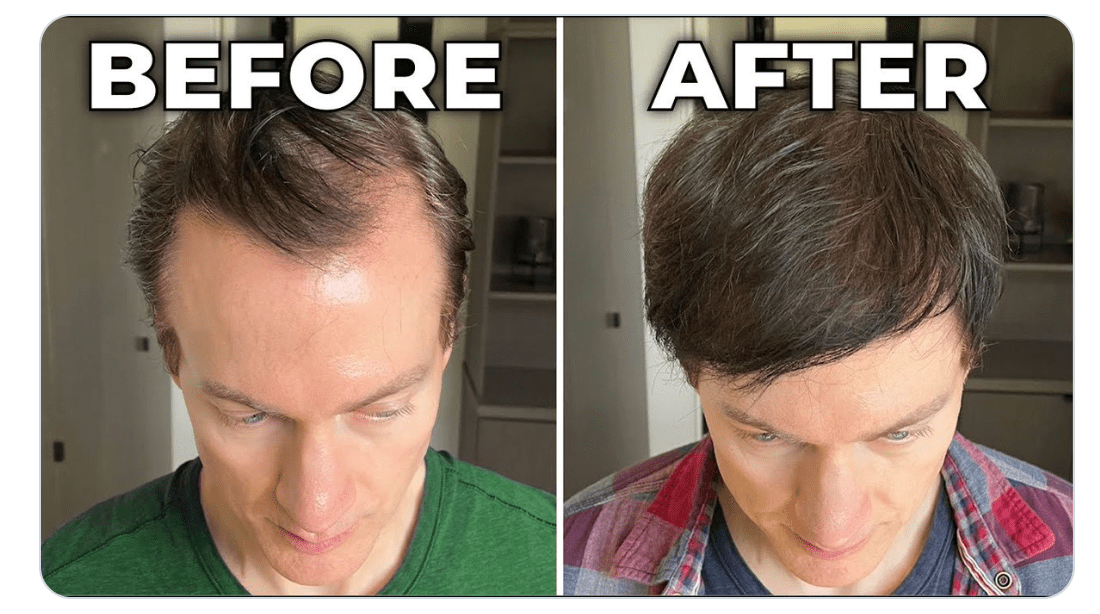
Bryan’s journey, shared openly with his audience, sheds light on how personal care and anti-aging aren’t confined to internal health but also extend to revitalizing hair health. “I’m always seeking products backed by science,” Bryan says, “and when it comes to hair, I need something that works at the root of the issue.” In his recent video, Bryan shared why he selected our product for his hair regimen: “Roots by Genetic Arts offers exactly what I need – a compounded approach that’s custom to my needs. It’s more than just a serum; it’s precision and personalization combined.”
Check out this post to see how Bryan Johnson maintains his hair growth regime while traveling.
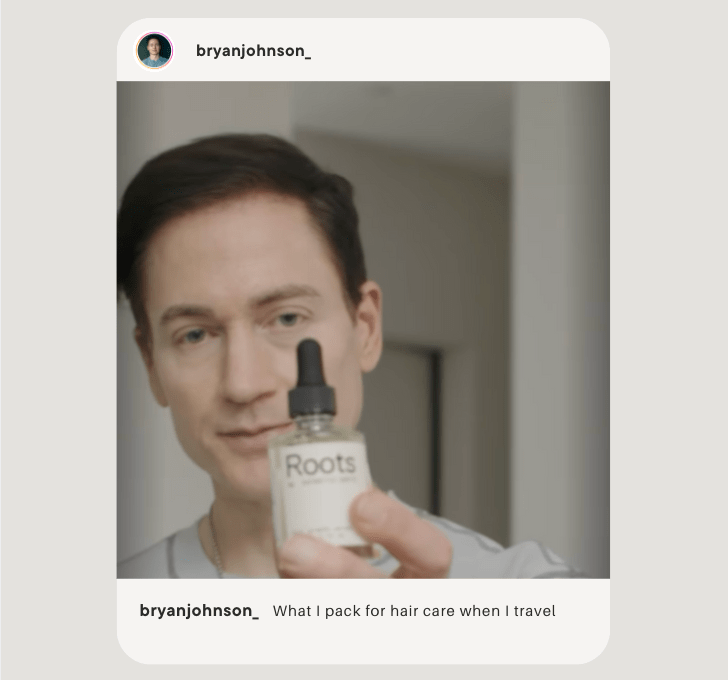
Our formula, specifically crafted to enhance volume, thickness, and scalp health, aligns with Bryan’s protocol of utilizing tailored solutions. He explains, “It’s not about trying every product out there; it’s about finding the right one. With Roots by Genetic Arts, I know my treatment is backed by research and tailored precisely for me.” His commitment to quality and evidence-based results resonates with our own dedication to helping people harness the best science has to offer.
See Bryan Johnson’s tweet about Roots by Genetic Arts:
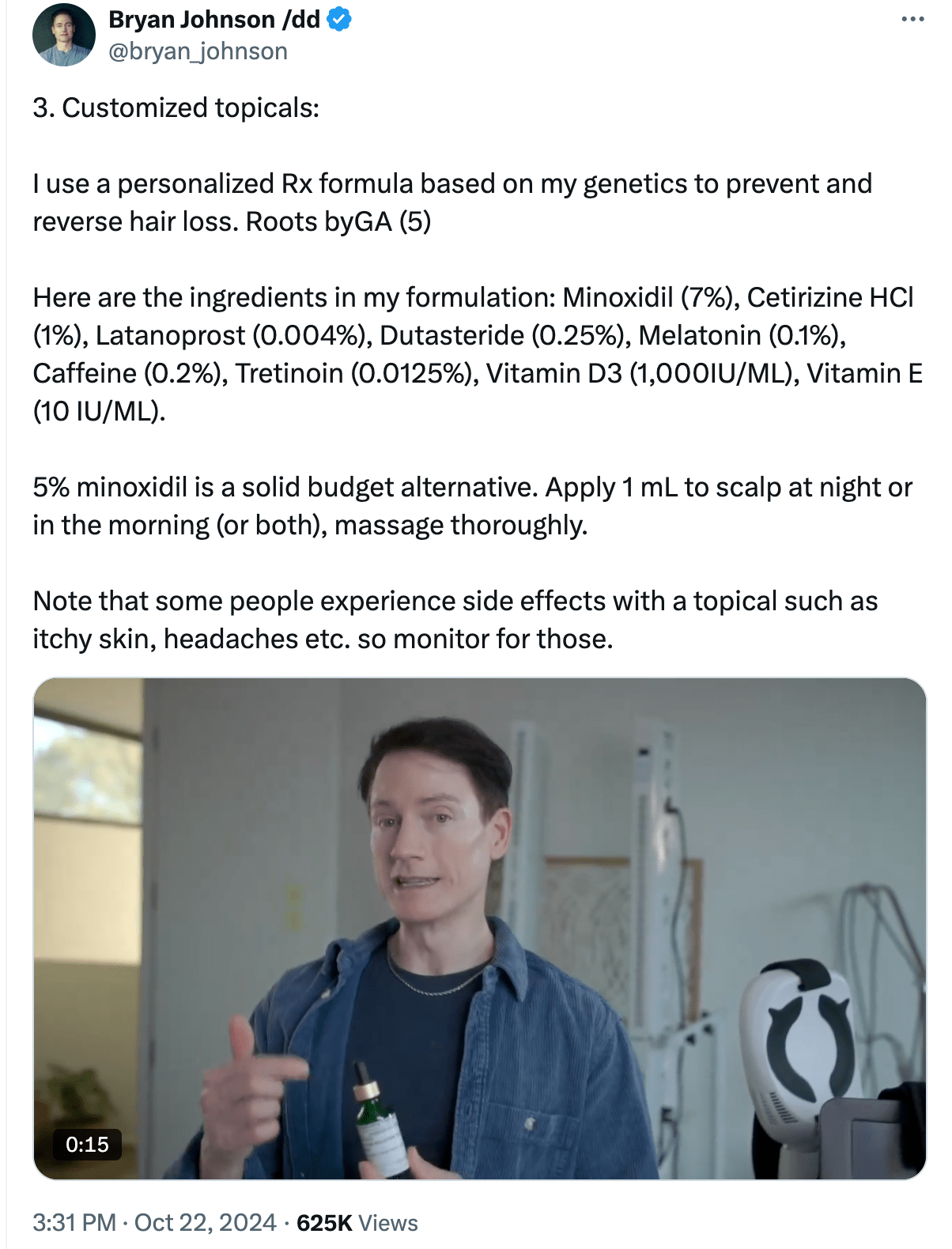
Through this partnership, Bryan’s followers can see firsthand the effectiveness of our unique blend, incorporating active ingredients like caffeine, melatonin, and select plant oils to improve follicle health and target scalp circulation. As Bryan continues his path to longevity, we’re honored to be part of the solution he’s chosen for healthy, full, and resilient hair.
Interested in trying the same science-backed approach to your own custom topical that Bryan trusts? Learn more
Unlocking Your Hair Growth Potential with a Custom Combination Approach
At Roots by Genetic Arts, we understand that hair loss is a complex issue influenced by various factors, including genetics, hormones, and lifestyle. While traditional monotherapies like minoxidil or finasteride have shown effectiveness, a combination approach can often provide even better results for many individuals.
Why Custom Combination Therapies Are More Effective
Combination therapies target multiple pathways involved in hair loss, providing a more comprehensive treatment strategy. For instance, combining finasteride, which reduces dihydrotestosterone (DHT) levels, with minoxidil, which stimulates hair follicles by increasing blood flow, can yield superior results compared to using either treatment alone.
The Role of Relevant Biomarkers
Hair loss treatments are not one-size-fits-all. Individual responses to treatments like finasteride or minoxidil can vary due to genetic differences. Relevant biomarkers, such as those related to DHT sensitivity or how your body metabolizes certain compounds, can play a role in determining a beneficial treatment for you.
For instance:
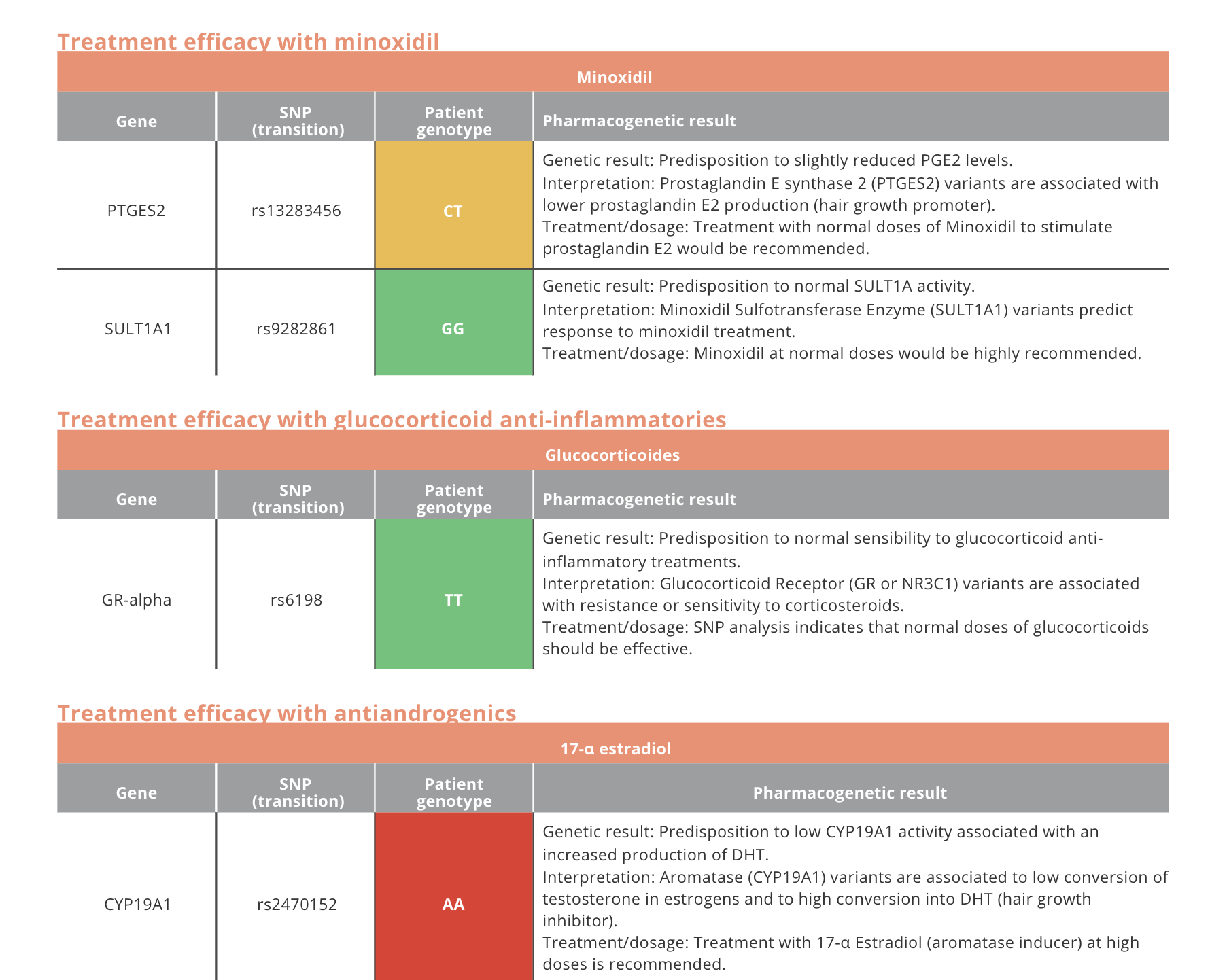
- SULT1A1: This enzyme is crucial for the activation of minoxidil. Genetic variations in the SULT1A1 gene can influence how effectively minoxidil promotes hair growth. If someone has a lower activity level of this enzyme, minoxidil might not be as effective.
- SRD5A2/1: These genes are involved in the metabolism of testosterone to DHT. Individuals with variations in these genes might experience different levels of DHT and thus respond differently to finasteride.
- ACE:Angiotensin-converting enzyme (ACE) variants are associated with increased plasma levels of angiotensin 2, an extremely potent vasoconstrictor. A customer with these genetic expression may benefit from caffeine.
Pharmacogenetic Testing for a Custom Approach
At Roots by Genetic Arts, we utilize pharmacogenetic testing and a comprehensive questionnaire to help customize hair loss treatments. This testing analyzes various genes related to hair loss treatments, and utilizing the intake questionnaire, we’re able to provide a custom topicals with multiple active ingredients to give you benefit.
Some Ingredients and Their Benefits
- Minoxidil
- Mechanism: Minoxidil works by opening potassium channels in the cells of hair follicles, which enhances blood flow and nutrient delivery to the hair follicle. This increased blood flow helps to enlarge miniaturized hair follicles and prolong the anagen (growth) phase of the hair cycle, resulting in thicker, healthier hair growth.
- Finasteride
- Mechanism: Finasteride inhibits the Type II 5-alpha reductase enzyme, which is responsible for converting testosterone into dihydrotestosterone (DHT). High levels of DHT are associated with the miniaturization of hair follicles in androgenetic alopecia. By reducing DHT levels, finasteride prevents the shrinking of hair follicles, thereby promoting the growth of thicker hair.
- Dutasteride
- Pathway & Mechanism: Similar to finasteride, dutasteride inhibits both Type I and Type II 5-alpha reductase enzymes, making it more effective at reducing DHT levels throughout the body. This broader inhibition results in a more substantial decrease in DHT, providing a potent solution for preventing hair follicle miniaturization and promoting regrowth.
- Latanoprost
- Mechanism: Latanoprost, a prostaglandin F2α analog, binds to prostaglandin receptors in the hair follicle. This binding action prolongs the anagen phase and increases the size of the hair follicles, promoting the growth of thicker and darker hair.
- Cetirizine
- Mechanism: Cetirizine is an antihistamine that blocks histamine receptors, reducing inflammation and potentially calming the scalp. Reduced inflammation can help prevent hair follicle damage and promote a healthier scalp environment, conducive to hair growth.
- Spironolactone
- Mechanism: Spironolactone acts as an anti-androgen by blocking androgen receptors, which reduces the effects of androgens like testosterone on the scalp. This reduction is particularly beneficial for women experiencing hair loss due to high androgen levels.
- Caffeine
- Mechanism: Caffeine may help hair follicles stay in the growing phase longer, which can lead to longer, stronger hair. Increasing blood circulation: Caffeine can improve blood flow to hair follicles, which can help deliver nutrients and oxygen.
- Tretinoin/Retinoic Acid
- Mechanism: Tretinoin increases cell turnover in the scalp, which helps remove dead skin cells and improve the scalp environment for hair growth. Additionally, it enhances the absorption of other topical treatments, such as minoxidil, making them more effective.
- Melatonin
- Mechanism: Melatonin acts as an antioxidant and anti-inflammatory agent, reducing oxidative stress and inflammation around the hair follicles. These protective effects help maintain a healthier scalp and prolong the growth phase of hair follicles.
- Vitamin D
- Mechanism: Vitamin D plays a role in hair follicle cycling by influencing the differentiation of keratinocytes, the cells that make up a large portion of hair. It can help regulate the growth and shedding phases, reducing hair shedding and promoting regrowth.
Roots by Genetic Arts has can create a custom topical for your hair growth needs. Start your hair regrowth treatment today with Roots by Genetic Arts!
The 5 Steps in Our Hair Loss Treatment Process.
This article was created to provide you with an overview of what to expect from our hair loss treatment process.
How long does the entire process take?
Once you submit your questionnaire, and send in your test sample – you should receive your recommended topical within three weeks.
The 5 steps to a custom hair loss treatment
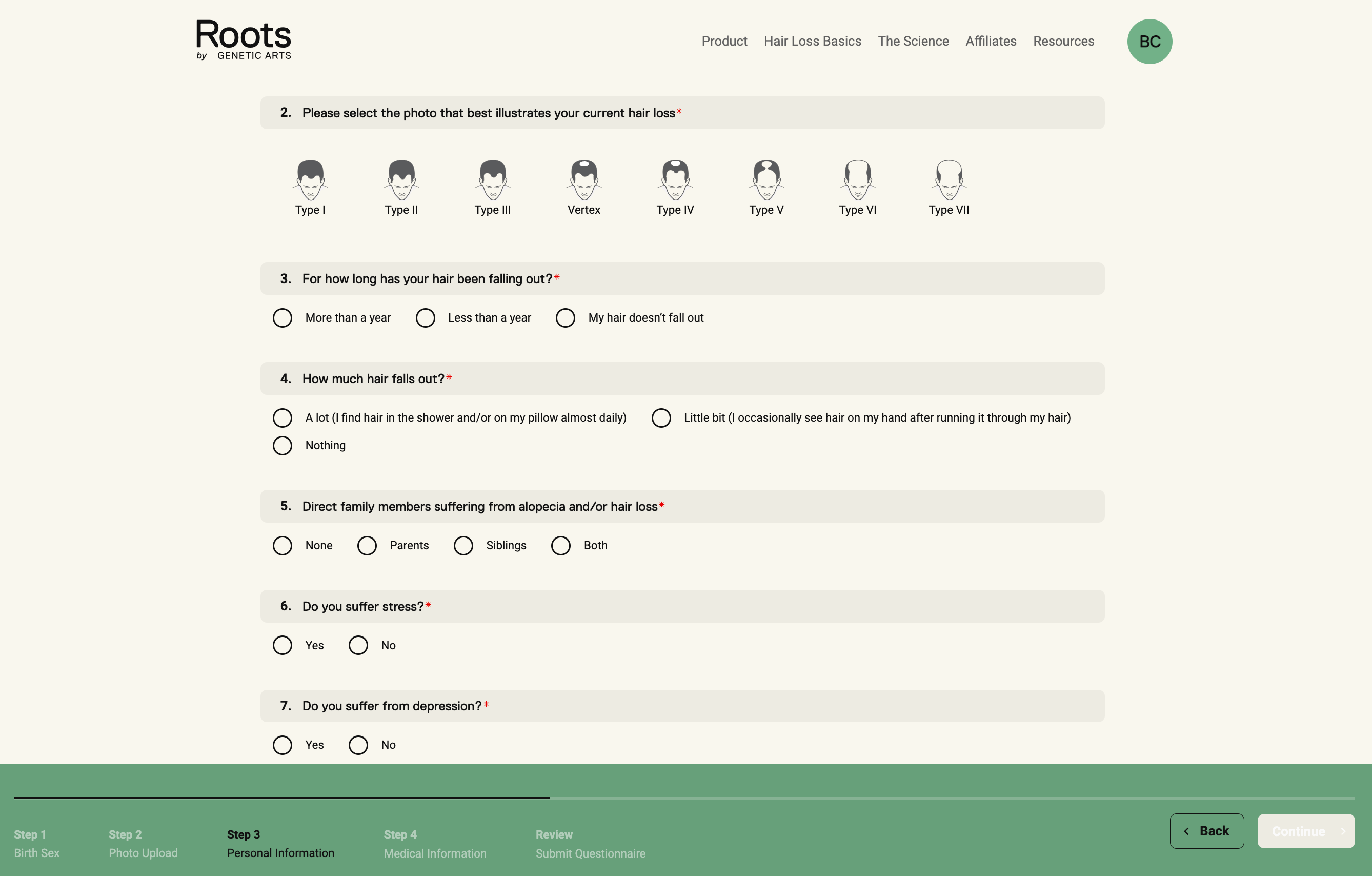
1. Questionnaire
- The test analysis also incorporates information from your questionnaire, including your medical history, lifestyle data, and any known reactions to certain ingredients.
- You will complete this questionnaire in your Roots by GA online portal by signing in with the email address you used for your purchase.
-
- If you have any issues logging in, please feel free to email help@rootsbyga.com , or use the password reset link on the log in page.
-
2. Genetic Test
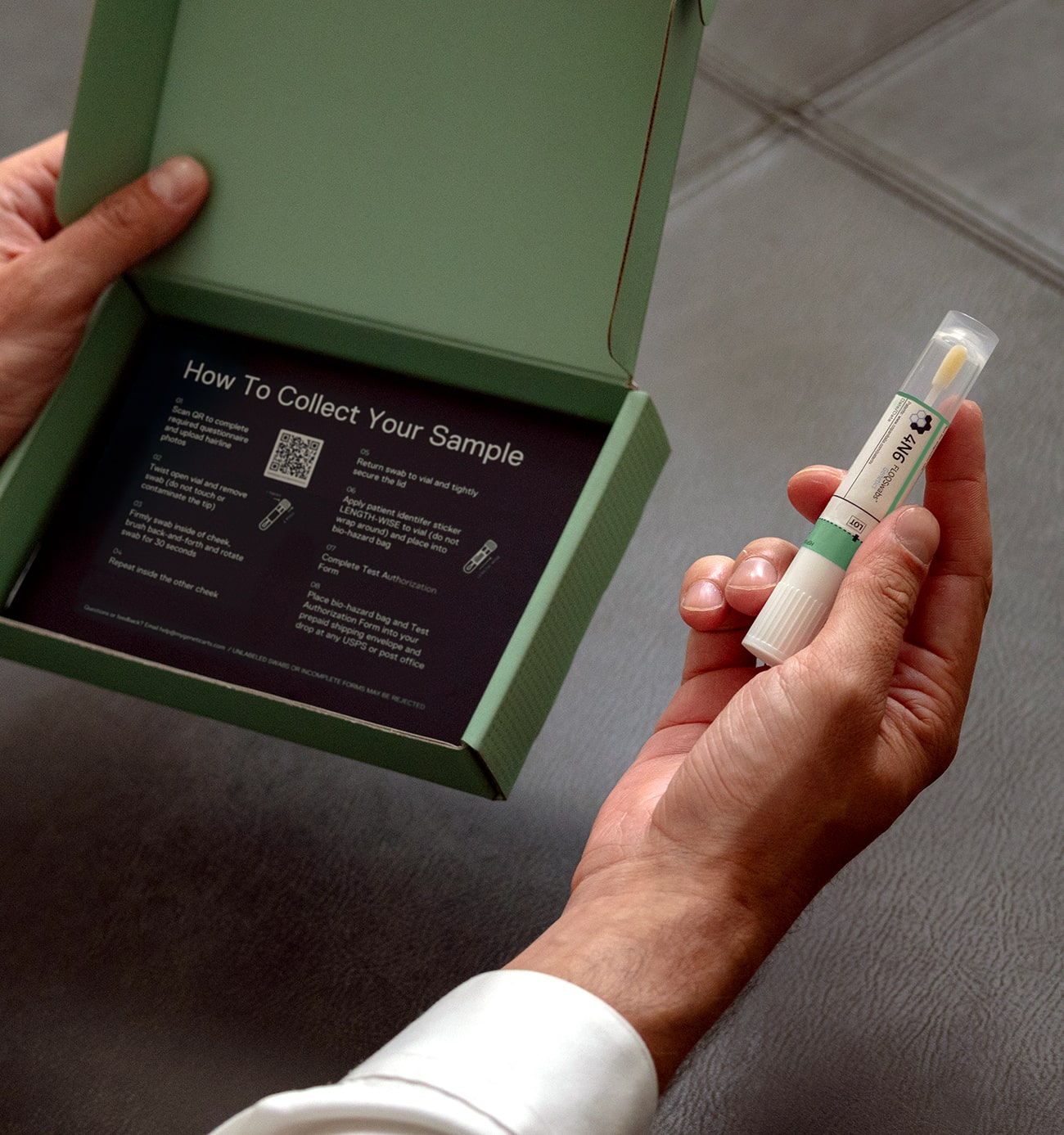
- The second step is to complete the genetic test using the cheek swab provided in your kit and return it to us using the prepaid envelope. If you have recently ordered your test kit, it should arrive within 3-5 days, and tracking information will be sent to your email.
- Our genetic test analyzes a range of genes associated with factors influencing hair loss treatment, as well as those that help can guide ingredient recommendations. Please note, this test does not diagnose hair loss.
3. Report results
- Your report results will be available for download in your account at (https://stg-rootsbyga-stagingsite.kinsta.cloud/my-account)
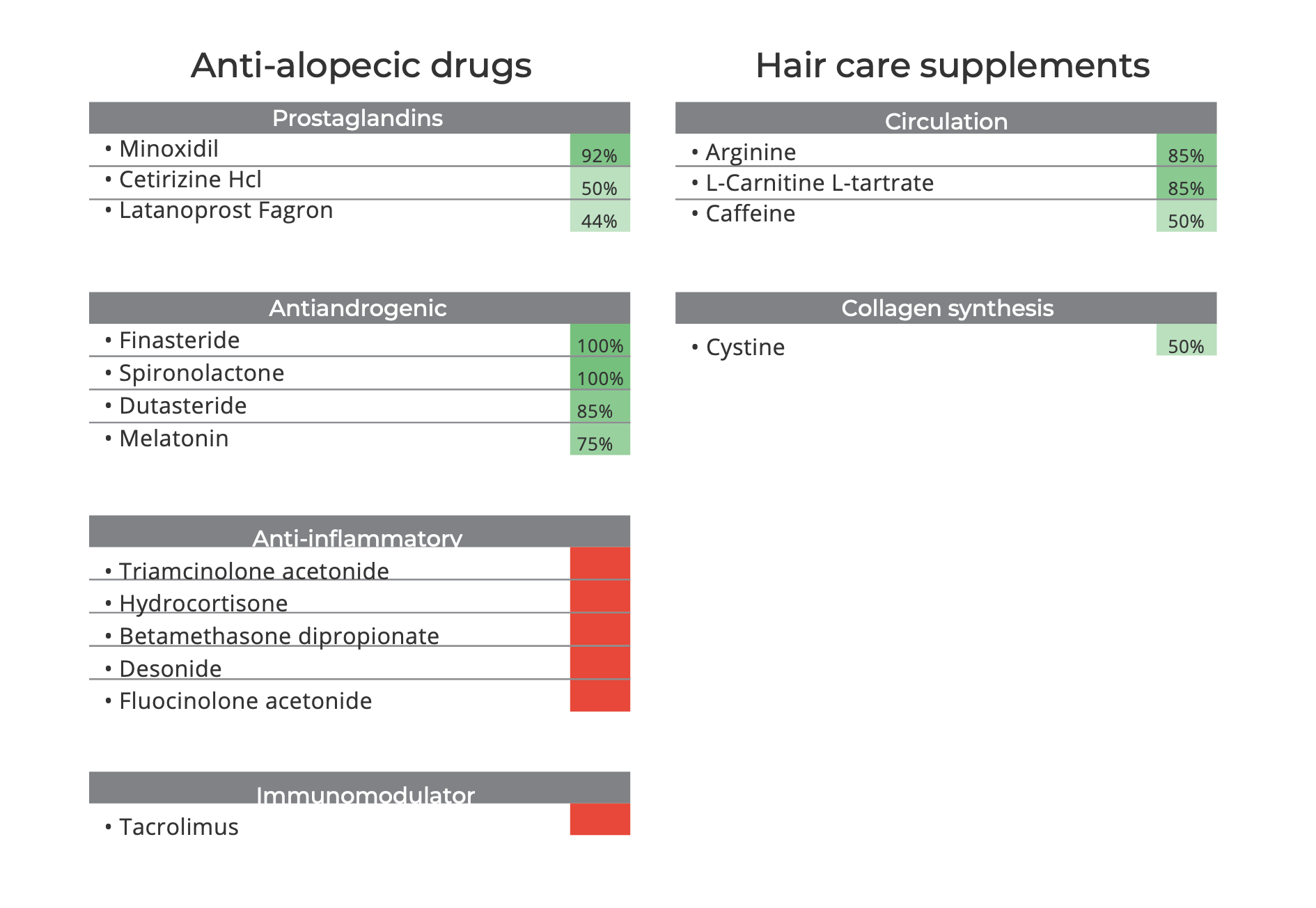
- Our test analyzes your genetic data, relevant history from your intake questionnaire to highlight suitable active ingredients for addressing hair loss. In Section 2, we present ingredients and medications on a color scale. The scale ranges from light to dark green, indicating the degree of recommendation for each medication and ingredient within their respective pathways, from least to most recommended.
- Please note that the percentages provided do not represent the likelihood of success but are rather a score or ranking of the recommendation based on your gene expressions and clinical data weighing potential benefit of that ingredient. Combining ingredients with various recommendation scores can be advantageous.
- Ingredients flagged in red are marked due to potential intolerances or contraindications based on your input from the intake questionnaire (information you provide). However, a red flag does not necessarily indicate an intolerance; it may simply suggest that certain ingredients, such as steroid medications, may not be necessary for your specific condition (e.g., steroids/anti-inflammatories are mostly recommended only for conditions like Areata or more severe scalp issues). Section 3 “pharmacogentic results” can give more information regarding ingredients that might be beneficial in your recommended treatment. If an ingredient is marked as blank or white, it indicates that there is no specific information affecting its recommendation. However, including these ingredients could potentially be beneficial.
4. Prescription Approval
- A doctor will review your questionnaire and approve your custom formula, taking into account any additional information you have provided.
- If the doctor needs to make changes to your prescription, this is where changes can be made.
- Before the prescription is sent for processing, you’ll receive an email with a link that allows you to open a communication channel with the doctor.
- Should you have any questions or additional comments, this is where you can connect and share information with the doctor.
- If you do not wish to proceed with treatment, you can inform the doctor, or our support team at help@rootsbyga.com and our support staff can help you cancel and get a refund for you topical.
- Please note that not all ingredients listed in the report may be compatible in a single formulation, or they may not be available for your specific formula. Additionally, some ingredients mentioned in the report may not be included in your formula due to availability. We offer a wide range of formulations to suit your needs.
5. Compound pharmacy
- Our pharmacy has more than three decades of patient-specific compounding experience.
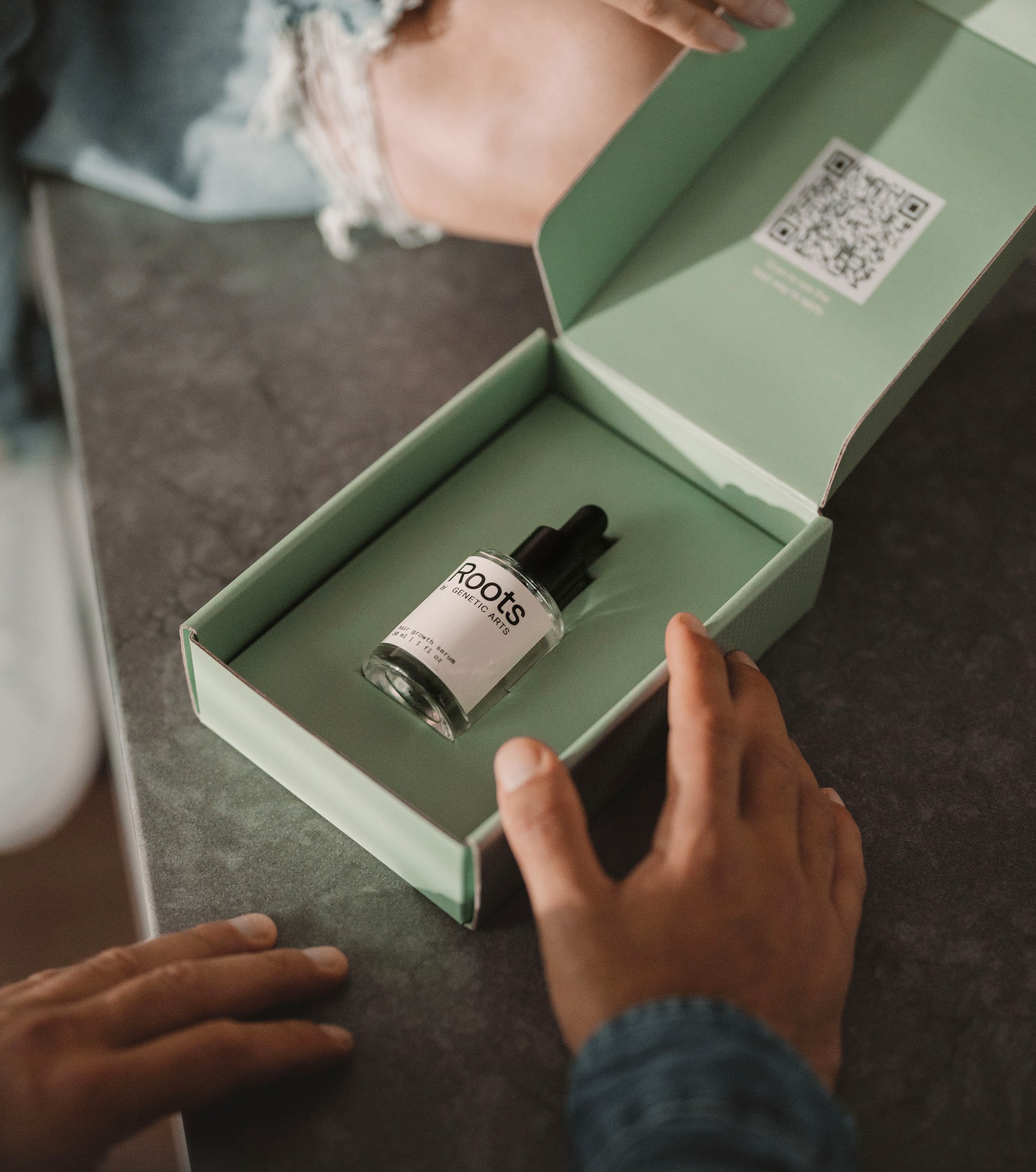
- Your prescription should be shipped within 4 days of it being processed. You’ll receive and email when it ships.
6. Recurring treatment shipments (subscription)
From the date your first topical ships, we’ll set the recurring bill and ship date to every 25 days from that date to ensure you always have your treatment. If for any reason you need to pause, or cancel you can do so from your account page on rootsbyga.com.
For more information, reach out to us at help@rootsbyga.com
Ready to grow: Get your starter kit today.
The Truth Behind Hair Growth Myths
If you’re a man between the ages of 28 and 42, chances are you’ve noticed your hairline receding, or that your hair isn’t growing as quickly as it used to. You may have heard about certain methods you can use to help promote hair growth, but how much of this is true, and how much is simply myth? Let’s break down some of these myths so that you can better understand what works when it comes to growing healthy, thick hair.
Myth 1: Hair Grows Faster With Regular Shampooing
This myth suggests that shampooing your hair more frequently will make it grow faster. Unfortunately, this is not true. While regular shampooing is important for keeping your scalp clean and free from dandruff, it does not actually affect the rate at which your hair grows. In fact, over-shampooing can actually strip away natural oils from your scalp that are needed for healthy hair growth. So, while there’s no harm in washing your hair every day if you prefer to do so, doing so won’t actually make your hair grow any faster than normal.
Myth 2: Stress Causes Hair Loss
Stress has long been seen as one of the primary causes of hair loss among men. But while stress may play a role in some cases of male pattern baldness – especially if the stress is accompanied by other factors such as an unhealthy diet or lack of sleep – there’s no scientific proof that stress alone causes significant amounts of permanent hair loss. That being said, reducing stress levels can have many positive benefits on overall health and well-being; however, it cannot be used as a sole treatment for male pattern baldness or other forms of permanent hair loss.
Myth 3: Wearing a Hat Can Lead To Hair Loss
Another common myth is that wearing hats or helmets too often can cause permanent damage to the scalp and lead to increased levels of hair loss over time. This myth has been debunked by numerous studies; in fact, research shows that wearing hats does not contribute to any increase in hair shedding or thinning in any way shape or form. So go ahead and wear those hats with confidence!
There are many myths out there surrounding the topic of male pattern baldness and how best to promote healthy regrowth – but now you know better! While certain lifestyle changes such as managing stress levels and eating a healthy diet are important for overall health and well-being (and thus indirectly helpful for promoting healthy regrowth), there’s no evidence that any specific technique can lead to accelerated levels of healthy regrowth on its own without medical intervention. Knowing what works (and what doesn’t!) should help make it easier for you to find ways to manage male pattern baldness effectively over time.
Why are Vitamins and Minerals Essential to Hair Growth?
Vitamins and minerals are essential for healthy hair growth. They provide the necessary nutrients to keep your hair strong, shiny, and full of life. Vitamins and minerals also help to protect your scalp from damage caused by environmental factors such as sun exposure, pollution, and styling products. Without these essential nutrients, your hair can become dry, brittle, and prone to breakage. The most important vitamins for hair growth are B-complex vitamins such as biotin, niacin, pantothenic acid, folic acid, and vitamin B12. These vitamins help to promote healthy cell growth in the scalp which is necessary for healthy hair growth.
Biotin is especially important for maintaining strong and healthy hair as it helps to strengthen the keratin in the hair shafts. Niacin helps to improve circulation in the scalp which can stimulate new hair growth while pantothenic acid helps to reduce inflammation in the scalp which can lead to healthier follicles. Folic acid helps to prevent premature graying of the hair while vitamin B12 helps with cell regeneration which is important for maintaining a healthy head of hair.
In addition to vitamins, minerals are also important for hair growth. Zinc, iron, and magnesium are some of the most commonly used minerals in topical treatments for hair growth.
Zinc helps to promote healthy cell division which is necessary for new hair growth while iron helps to transport oxygen to the scalp which can help to stimulate new hair growth. Magnesium helps to reduce inflammation in the scalp which can lead to healthier follicles and stronger hair strands.
B-complex vitamins such as biotin, niacin, pantothenic acid, folic acid, and vitamin B12 are important for maintaining strong and healthy hair while minerals such as zinc, iron, and magnesium help to promote new hair growth by stimulating cell division and reducing inflammation in the scalp.
What FDA approved Hair Growth Solutions are Available?
There are a variety of treatments available to help restore hair growth. The U.S. Food and Drug Administration (FDA) has approved several treatments for hair loss, including topical medications, oral medications, and surgical procedures. Topical medications are applied directly to the scalp and can be used to treat both male and female pattern baldness. The most commonly prescribed topical medication is minoxidil, which is available in both over-the-counter and prescription strength formulations. Minoxidil works by increasing blood flow to the scalp, which helps stimulate hair growth.
Other topical medications include finasteride, which is used to treat male pattern baldness, and spironolactone, which is used to treat female pattern baldness. Oral medications are taken by mouth and can also be used to treat both male and female pattern baldness.
The most commonly prescribed oral medication is finasteride, which works by blocking the production of dihydrotestosterone (DHT), a hormone that contributes to hair loss. Other oral medications include spironolactone, which is used to treat female pattern baldness, and dutasteride, which is used to treat both male and female pattern baldness. Surgical procedures are also available for treating hair loss.
The most common surgical procedure is a hair transplant, which involves taking healthy hair follicles from one area of the scalp and transplanting them to areas of the scalp that are thinning or balding. Hair transplants can be used to restore a natural-looking hairline and can be an effective treatment for both male and female pattern baldness.
While FDA approved treatments for hair loss can be effective, they may not always provide the best results for everyone. Custom solutions such as laser therapy or platelet-rich plasma (PRP) therapy may be more effective in some cases. Laser therapy works by stimulating the scalp with low-level laser light, which helps promote hair growth. PRP therapy involves injecting a solution containing platelets into the scalp, which helps stimulate new hair growth.
In conclusion, there are a variety of FDA approved treatments available
Solutions to Hair Loss and How to Grow Healthy Hair
There are solutions to help grow healthy hair. As men age, their hormones can change or become imbalanced and this can lead to hair thinning or balding. It’s important for men between the ages of 28 and 42 to understand the most common solutions for hair growth so that they can keep their full head of hair for years to come.
One of the most common solutions for hair growth is using a product like Minoxidil, which is available over-the-counter in many drug stores. Minoxidil works by increasing blood flow to the scalp, which helps stimulate new hair growth. It usually takes several months before results are noticeable, but with continued use, it can help create a fuller head of hair.
Another option is taking a nutritional supplement designed specifically for hair health. These supplements provide essential vitamins and minerals that help nourish the body from within and encourage new growth. Supplements often contain ingredients such as biotin, saw palmetto extract, folic acid and other nutrients that work together to support healthy follicles and promote faster growth.
Finally, it’s important to take care of your scalp on a daily basis with regular shampooing, conditioning and styling products as well as avoiding harsh chemicals or treatments like perms or dyes. These products can strip away essential oils from the scalp that are necessary for healthy follicle growth and cause irritation or dryness on the scalp which can slow down hair growth even further. Additionally, be sure to get enough rest and exercise regularly – keeping your body healthy will also help promote healthy hair growth!
Hair loss doesn’t have to be inevitable – there are solutions out there to help you maintain your full head of hair into your 40s!
Whether it’s using an over-the-counter product like Minoxidil or taking a nutritional supplement specifically designed for hair health, there are ways you can fight back against balding or thinning locks.
Taking care of your scalp on a daily basis with gentle products combined with getting enough rest and exercise will also go a long way toward helping you achieve optimal results when trying to reverse signs of age related hair loss! So don’t give up hope just yet – try using one (or more!) of these tried-and-true solutions today!